
Gaining weight in a healthy and controlled manner involves more than just increasing your overall calorie intake. Therefore, it requires a strategic approach to ensure that the weight gained is primarily lean muscle mass rather than excess fat. Hence, protein is an important macronutrient in a weight gain diet. Protein, often referred to as the building block of muscles, plays a crucial role in achieving this goal. In this article, we will explore the best protein sources for weight gain and how to incorporate them into your diet for optimal results.
Dietary Proteins for Weight Gain
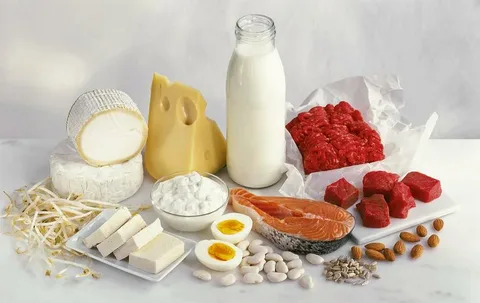
In a healthy weight gain diet, 20% – 25% protein sources should be added. Moreover, proteins of high biological value should be opted as these are better absorbed in the blood. High protein foods for weight gain include meat, milk and yogurt. However, plant based foods with other complementary sources are an equivalent in a vegetarian diet.
Eggs
Eggs are a cost-effective and nutrient-dense protein source as these are rich in essential amino acids. The egg white contains most of the protein, while the yolk provides essential fats, vitamins, and minerals. Therefore, including whole eggs in your diet can contribute to muscle growth and overall weight gain.
Greek Yogurt
Greek yogurt is a versatile and delicious source of protein, containing both casein and whey. Furthermore, it also provides probiotics, which can support digestive health. Opt for plain, unsweetened Greek yogurt to avoid added sugars. In addition, consider incorporating it into smoothies, snacks, or meals for an extra protein boost.
Milk
Milk is a complete protein source, containing all essential amino acids necessary for muscle growth and repair. Whole milk is rich in calories, healthy fats, and carbohydrates, making it an effective way to increase your overall calorie intake. Additionally, milk is an excellent source of calcium, vitamin D, and other essential nutrients that support bone health and overall well-being. Therefore, milk must be incorporated into various weight gain meals and snacks, such as smoothies, cereals, or as a standalone beverage.
Plant-Based Protein
For individuals following a vegetarian or vegan diet, plant-based protein sources are crucial for effective weight gain. Options such as pea protein, hemp protein, and brown rice protein can provide a complete amino acid profile. Combining different plant-based protein sources can help enhance the overall protein quality. Keep in mind that plant-based proteins may have slightly lower protein content compared to animal-based options, so it’s important to include a variety of protein-rich plant foods in your diet.
Supplemental Proteins for Weight Gain
In addition to dietary protein sources, some weight gain cases need to enhance protein intake by supplements. However, always consult a nutrition doctor or nutritionist professional for effective guidance.
Whey Protein
Whey protein is derived from milk during the cheese-making process and is renowned for its rapid absorption and high biological value. It contains all essential amino acids, making it an excellent choice for muscle building. Furthermore, whey protein is particularly effective post-workout, as it helps kickstart muscle recovery and growth.
Casein Protein
Similar to whey, casein is a milk-derived protein, but it is absorbed more slowly. This slow digestion makes casein a great option for providing a sustained release of amino acids, making it an ideal choice before bedtime. Additionally, this extended-release of nutrients helps prevent muscle breakdown during periods of fasting, such as overnight.
Mass Gainers
Mass gainers are protein supplements that also contain a significant amount of carbohydrates and fats, providing a higher-calorie option for those looking to gain weight. These supplements often include a mix of proteins like whey and casein, alongside additional nutrients such as vitamins, minerals, and creatine. However, it’s essential to choose a mass gainer with a balanced macronutrient profile to ensure you’re gaining muscle mass and not just accumulating fat.

List of High Calorie Foods to Gain Weight
While it’s important to prioritize nutrient-dense foods, incorporating high-calorie options into your diet can help you achieve your weight gain goals without compromising on nutritional value. High calorie foods that must be added in a weight gain diet include:
- Nuts such as almonds, walnuts, cashews and others
- Nut butters including peanut butter and almond butter
- Dried fruits such as raisins, figs and apricots
- Whole grains like quinoa, brown rice and oats
- Cheese
- Healthy oils and fats such as olive oil and coconut oil
- Full fat milk and yogurt
- Fish and other lean meat
- Smoothies and shakes
- Dark Chocolate
Healthy Breakfast for Weight Gain
Breakfast is a crucial meal that sets the tone for the rest of the day. A well-balanced and nutrient-dense morning meal not only provides essential energy but also supports muscle growth and overall well-being.
Protein-packed breakfasts
Including a significant amount of protein in your breakfast is essential for muscle building. Opt for sources such as eggs, Greek yogurt, cottage cheese, or lean meats.
- Scrambled eggs with veggies
- Greek yogurt with granola and nuts
- Chicken sandwiches
Whole grain healthy cereals
Whole grains are an excellent source of complex carbohydrates, fiber, and additional calories. Additionally, they provide a steady release of energy throughout the morning.
- Oatmeal topped with fruits and nuts
- Whole grain butter toast
- Quinoa bowl with vegetables
Healthy smoothies
Smoothie bowls allow for creativity and customization. Blend together a variety of ingredients, including fruits, vegetables, protein powder, and healthy fats.
- Banana and almond butter smoothie
- Mango and coconut smoothie
- Strawberry and nuts smoothie
Dairy delights
Full-fat dairy products offer a combination of protein and healthy fats, making them valuable additions to a weight gain-focused breakfast.
- Whole milk with cereal
- Cottage cheese with fresh fruit and drizzle of honey
- Creamy fruit salads

Take Away
Choosing the best protein sources for weight gain involves considering factors such as absorption rate, amino acid profile, and overall nutritional content. A well-rounded approach that includes a variety of protein sources, along with a balanced diet and regular exercise, is essential for healthy and sustainable weight gain. Before making significant changes to your diet or starting any supplementation, it’s advisable to consult with a healthcare professional or a registered dietitian to ensure that your approach aligns with your individual health needs and goals.